
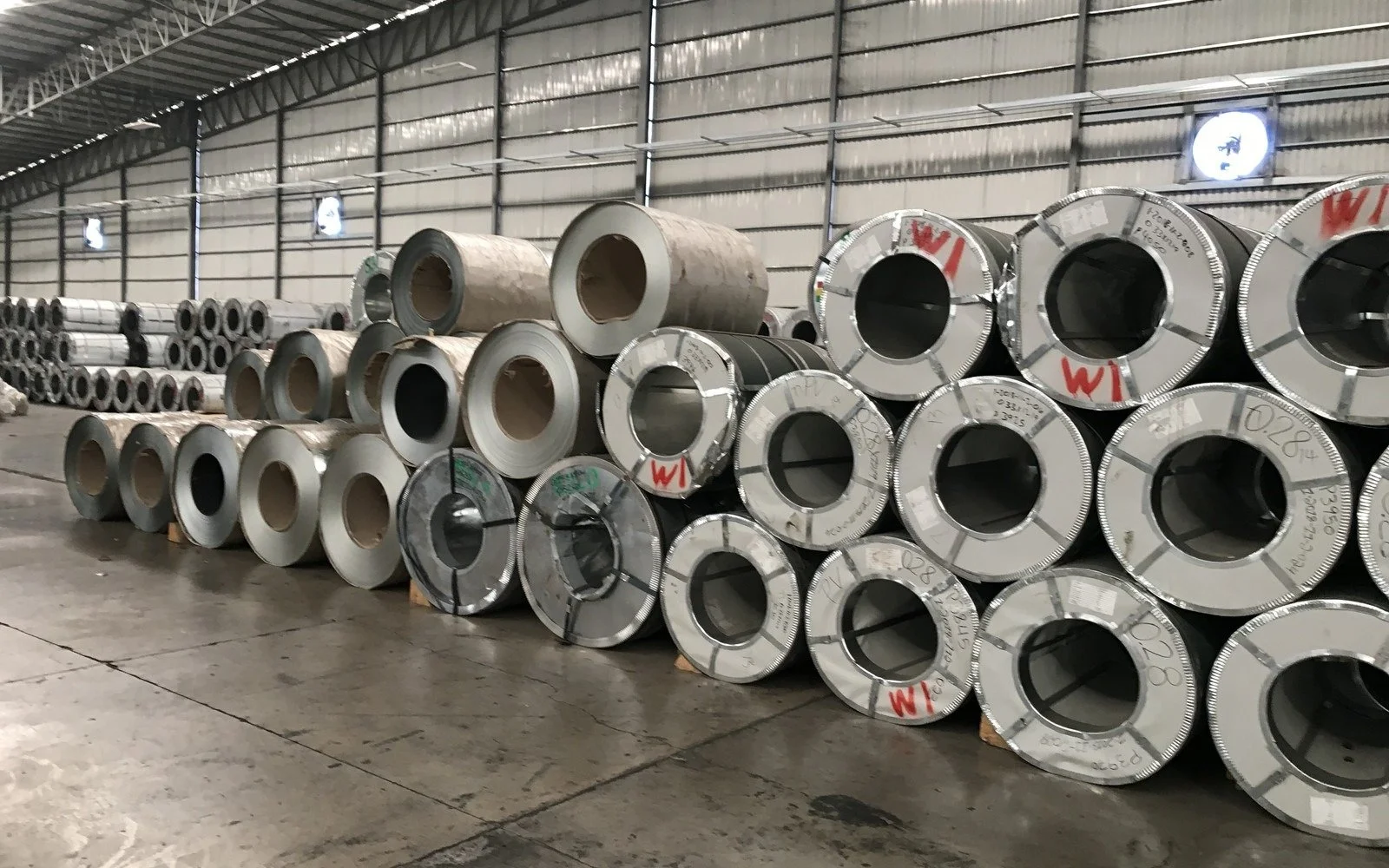
SGCC vs. SECC vs. SPCC: How to Specify Sheet Steel for Electronic Parts
SGCC, SECC and SPCC are not interchangeable shortcuts. Compare coating route, corrosion reserve, surface, fabrication, finishing and the RFQ details needed for electronic chassis, brackets and panels.
Anodizing vs. Painting vs. Powder Coating for Metal Enclosures
Anodizing, liquid paint, and powder coating solve different enclosure problems. Compare substrate limits, geometry, film build, corrosion and UV behavior, cosmetic control, masking, repair, grounding, production flow, and RFQ requirements before selecting a finish.
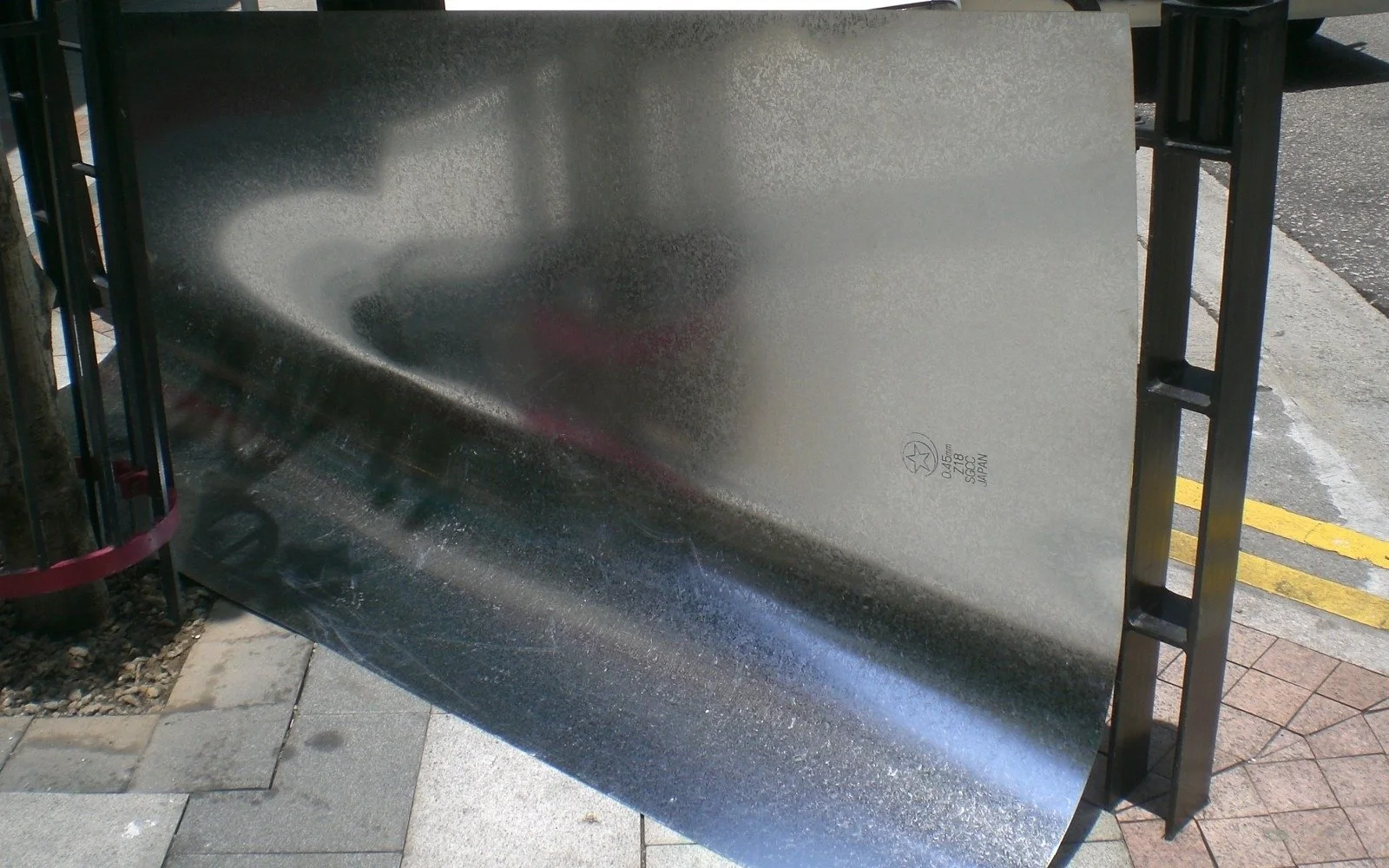
What Is SGCC Steel? How to Specify Zinc Coating, Surface Treatment, and Formability
A buyer-focused guide to SGCC hot-dip galvanized steel: what the designation does and does not define, how zinc protects steel, and what to put on drawings and RFQs.

5052 vs. 6061 Aluminum for Electronics Enclosures: Which Fits Your Process?
A process-first guide to choosing 5052 or 6061 aluminum for formed sheet housings, machined bodies, extruded frames, cosmetic finishes, and production-ready RFQs.
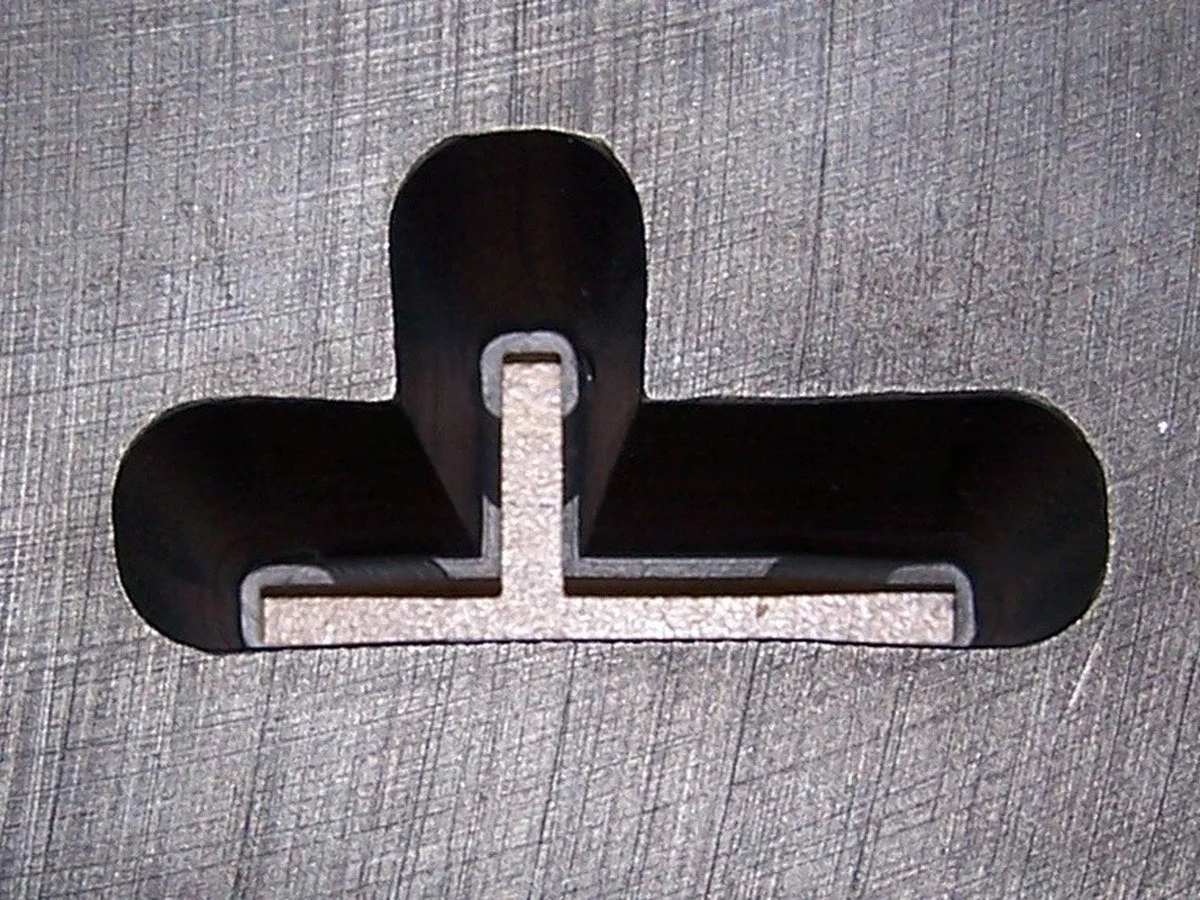
Aluminum Alloy Series 1xxx–7xxx: How to Choose by Form, Process, Finish, and Application
A practical guide to what the aluminum series numbers mean—and why engineers must also specify the exact alloy, temper, product form, process, finish, and validation plan.
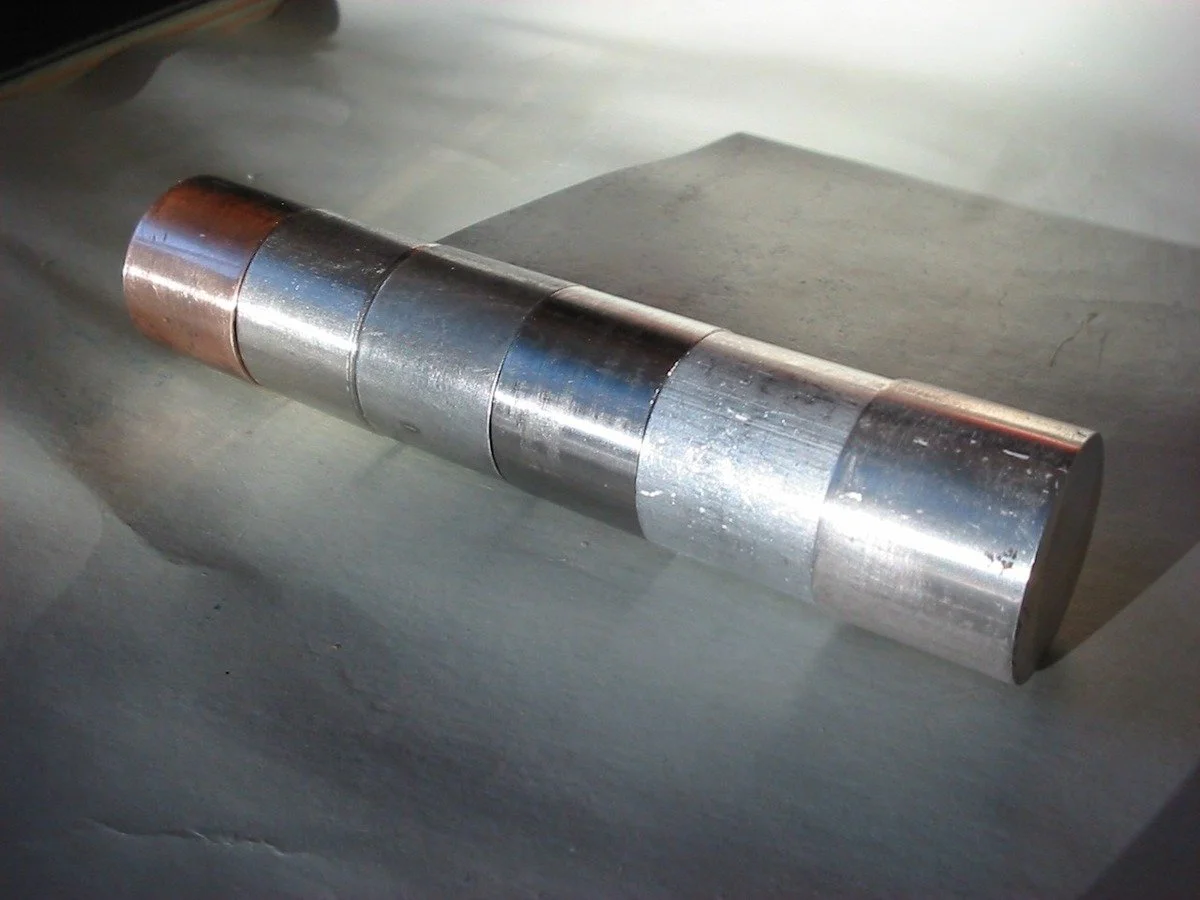
One Product, Several Metals: How to Allocate Aluminum, Steel, Magnesium, and Titanium by Component Function
A practical product-architecture guide to deciding where aluminum, steel, magnesium, or titanium belongs—and when a mixed-metal design is the better answer.
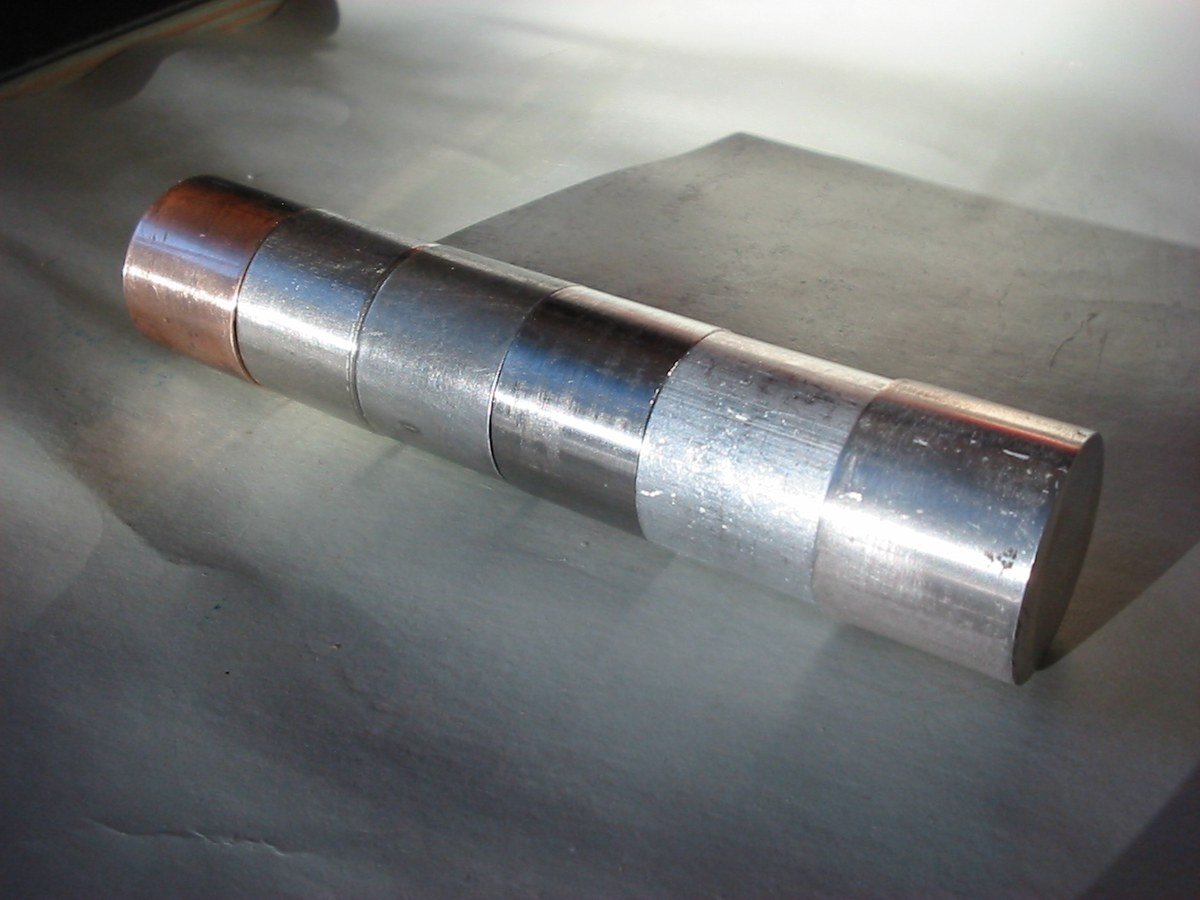
How to Choose a Metal for a Consumer-Electronics Enclosure
A practical decision guide for selecting aluminum, steel, magnesium, or titanium for a consumer-electronics enclosure without treating a material family as a finished specification.
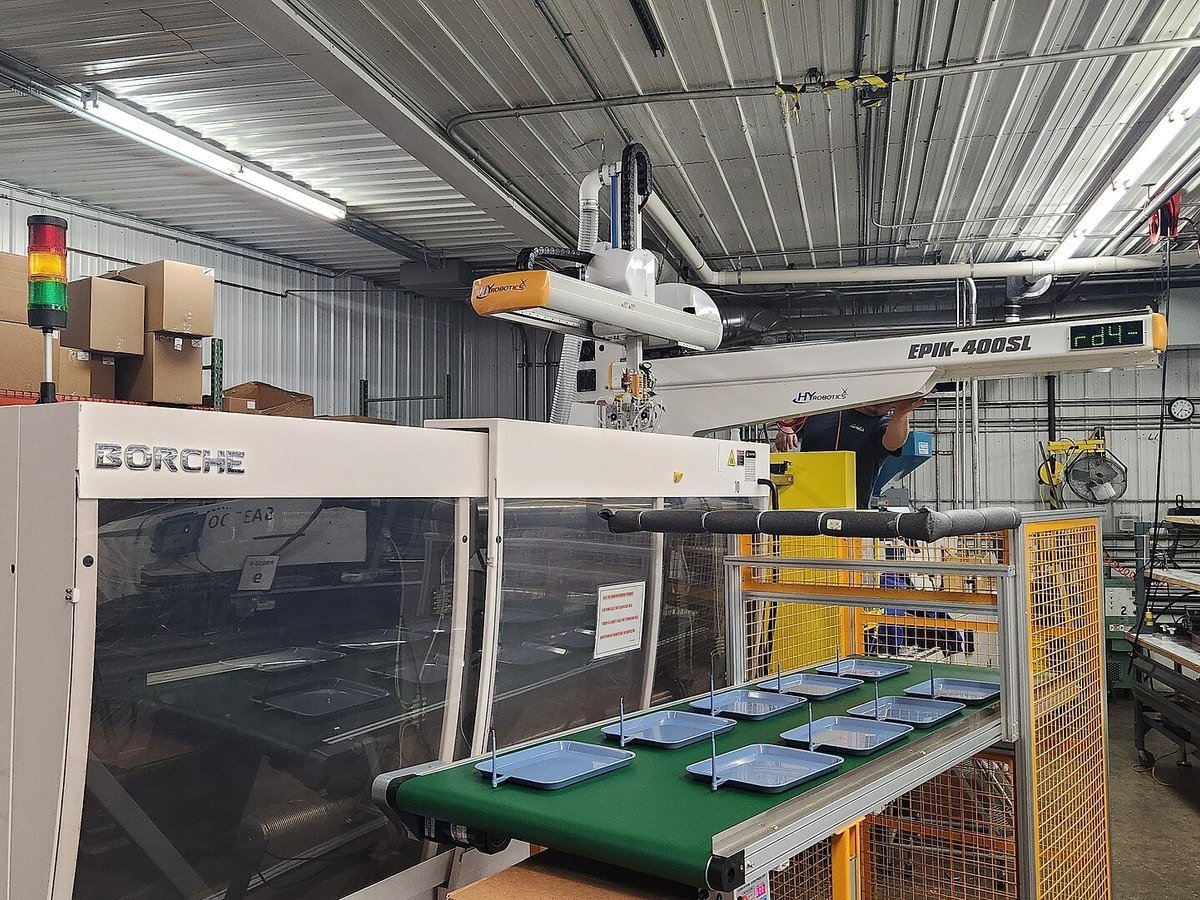
IMD, IMR, IMF and IML Explained: How to Choose an In-Mold Decoration Process
IMD terminology varies by supplier. Compare roll-fed transfer systems with retained formed-film and label systems by carrier behavior, geometry, durability, tooling and validation—not by acronym alone.
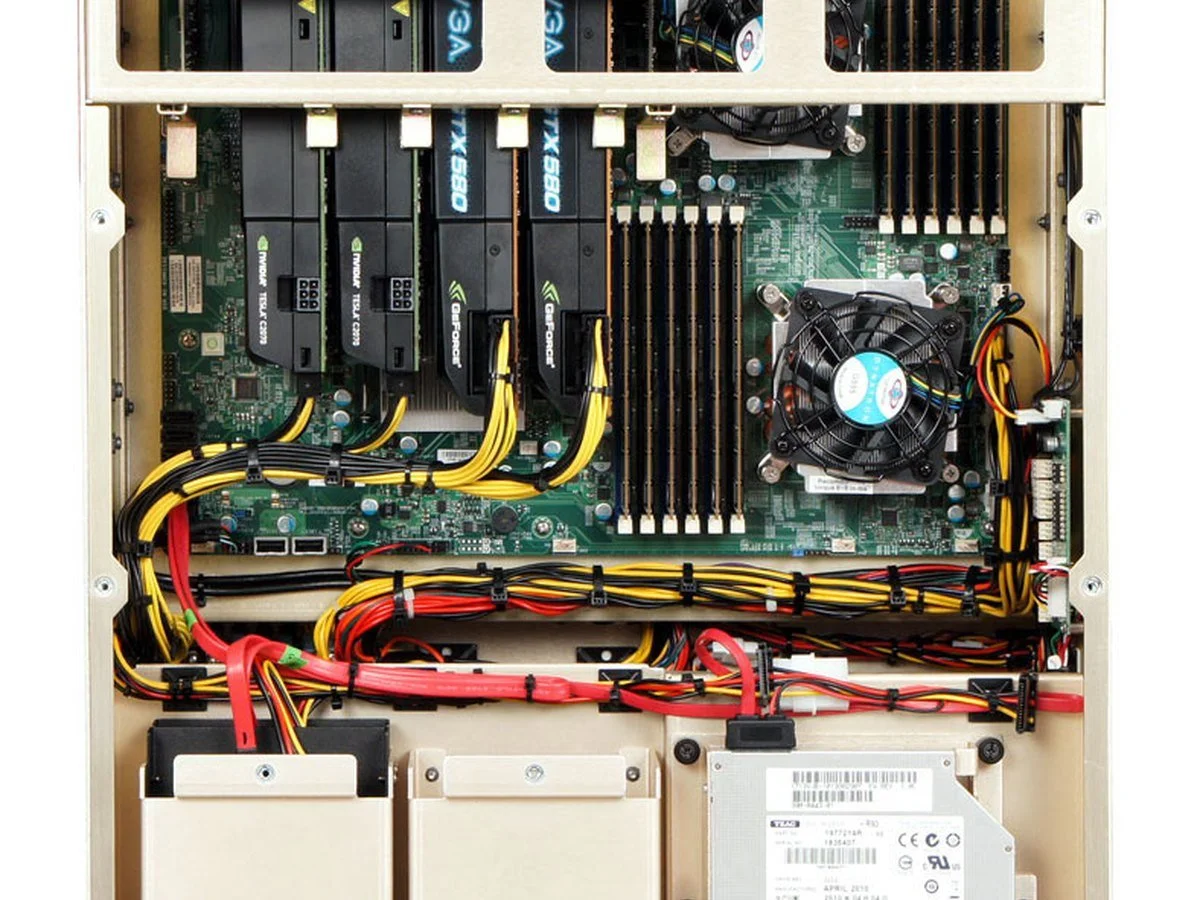
How to Design a Metal Electronics Enclosure for EMI, Cooling, and Assembly
A practical engineering guide to coordinating EMI control, thermal management, grounding, assembly, serviceability, and validation in metal electronics enclosures.
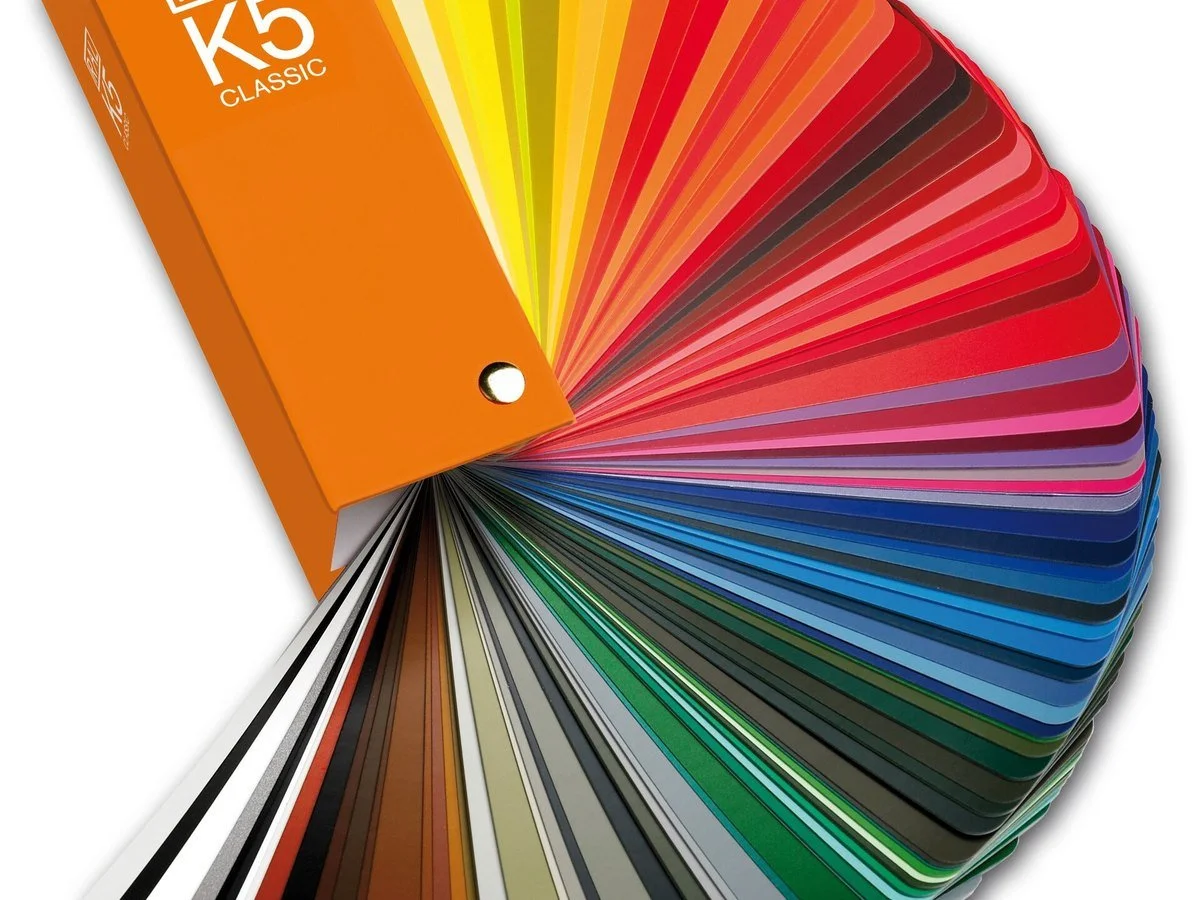
How to Specify a Cosmetic Metal Finish: Color, Gloss, Texture, and Defect Standards
A cosmetic finish specification should convert subjective appearance expectations into measurable, supplier-ready controls for color, gloss, texture, and defects.
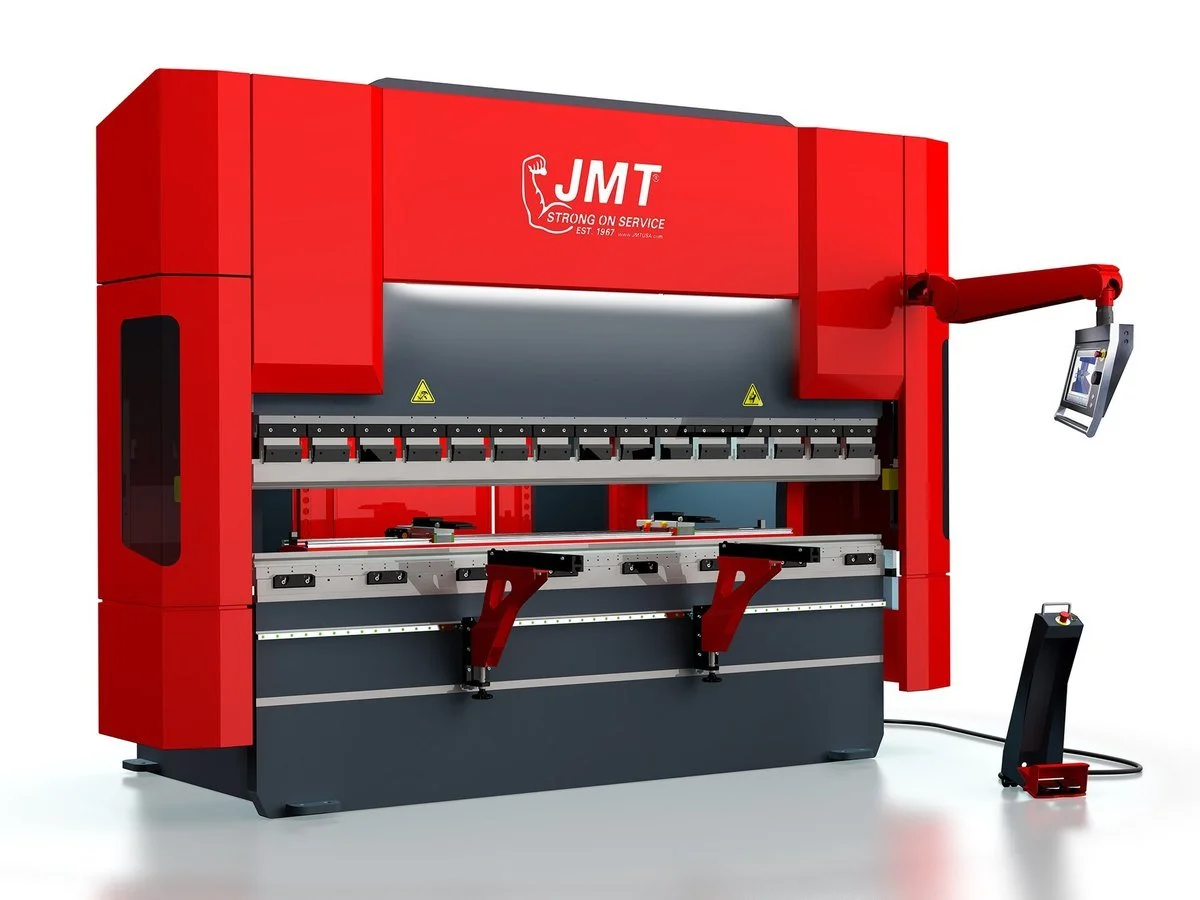
Stamped, Machined, or Die-Cast? How to Choose a Metal Enclosure Manufacturing Process
A practical engineering and sourcing guide to choosing stamped sheet metal, CNC machining, die casting, or a hybrid route for metal enclosures.

Why Can’t Every Metal Be Anodized? Why Aluminum Became the Industry Standard
Many metals can be electrochemically oxidized. Far fewer form an oxide that is adherent, controllable, colorable, sealable and commercially repeatable. This guide explains why aluminum became the anodizing standard.

Tesla Cybercab’s Paint-Free CMF: How It Works—and What It Changes
Cybercab is not simply an unpainted gold car. Tesla is moving the visible finish into the molding process—changing the variables, tooling, inspection, repair strategy, and economics of automotive color.
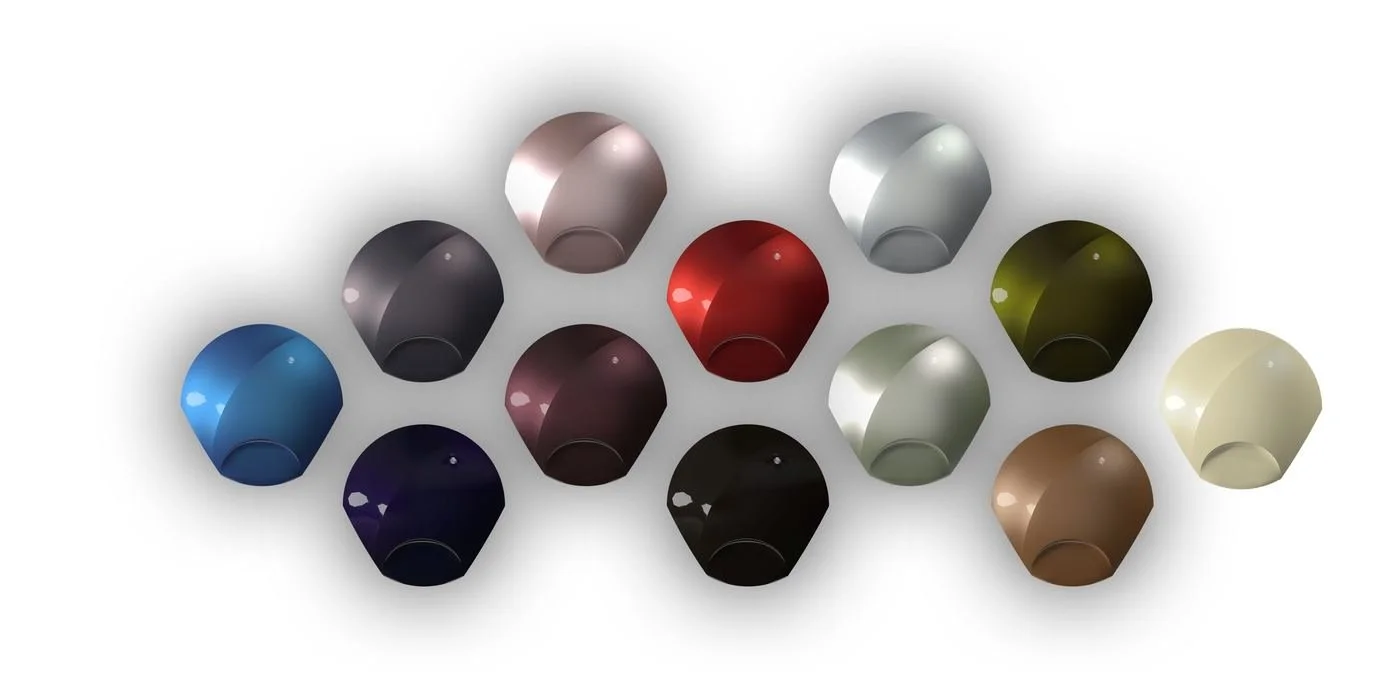
2027 Global CMF Trends: Seven Directions Shaping Product Design
The strongest 2027 CMF signals point toward grounded palettes, tactile materials, controlled reflectivity, light-integrated surfaces, cultural specificity, and visible circularity.
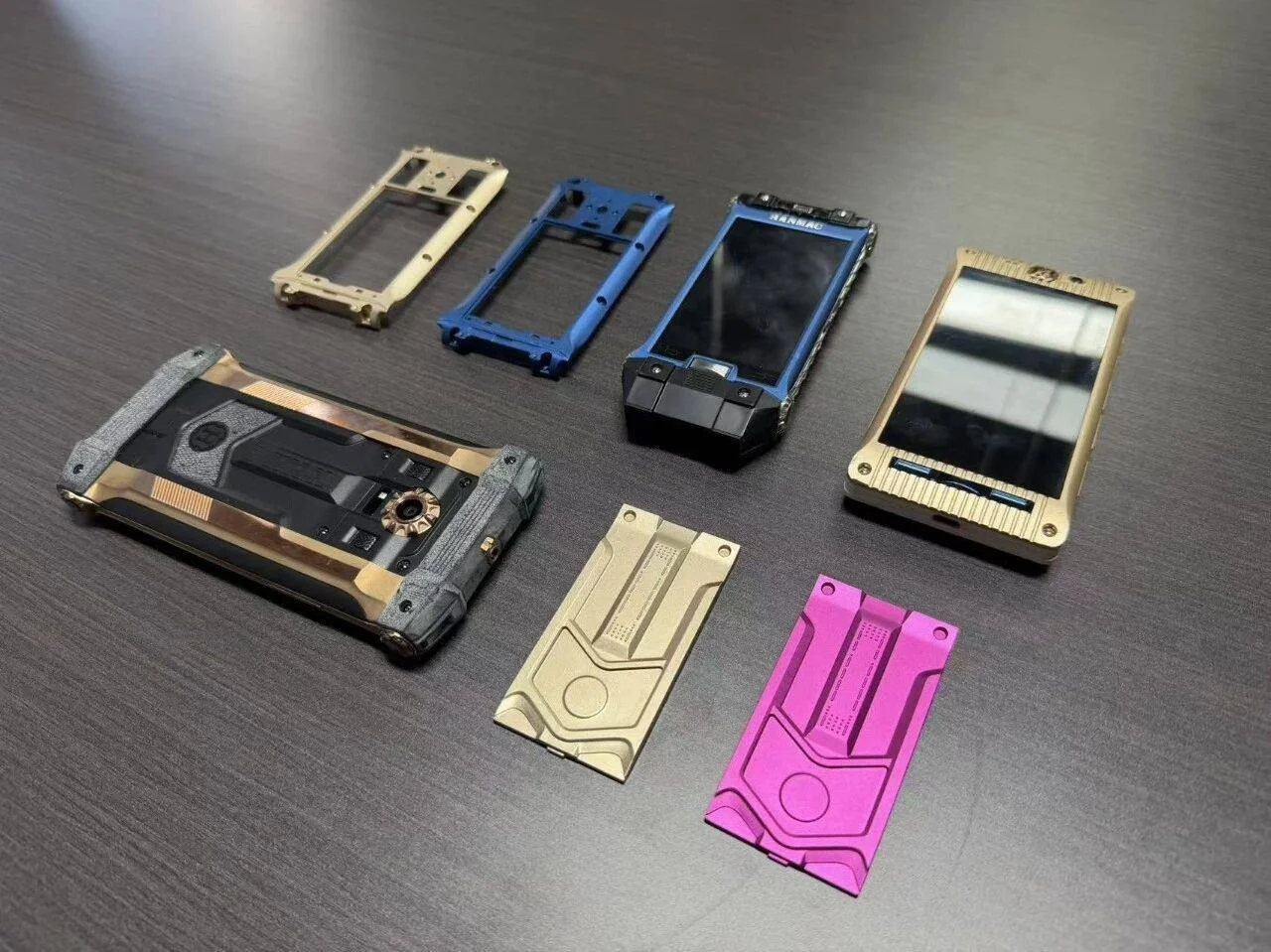
Can Die-Cast Aluminum Be Anodized? Alloy, Appearance, and Process Risk
Die-cast aluminum can be anodized, but decorative results depend on more than the anodizing bath. Learn how silicon, porosity, alloy selection, machining, and process control affect appearance and performance.
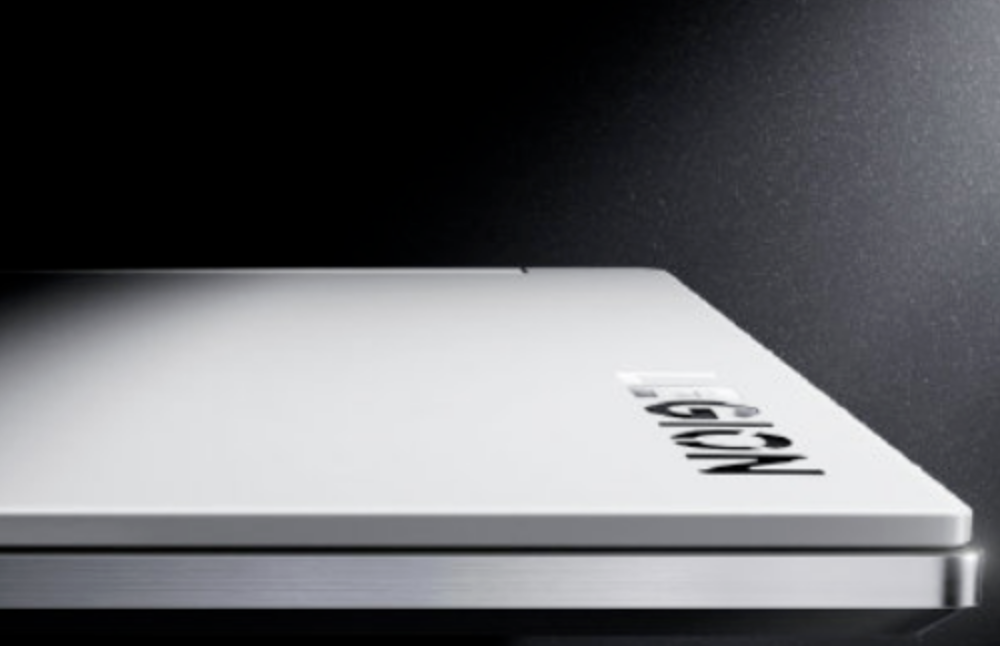
Electrophoretic Coating for Laptop Enclosures: Coverage, Durability, and CMF
Electrophoretic coating can provide uniform film coverage across metal laptop housings, including edges and recessed geometry. This guide explains the process, benefits, limitations, and validation questions product teams should address.