
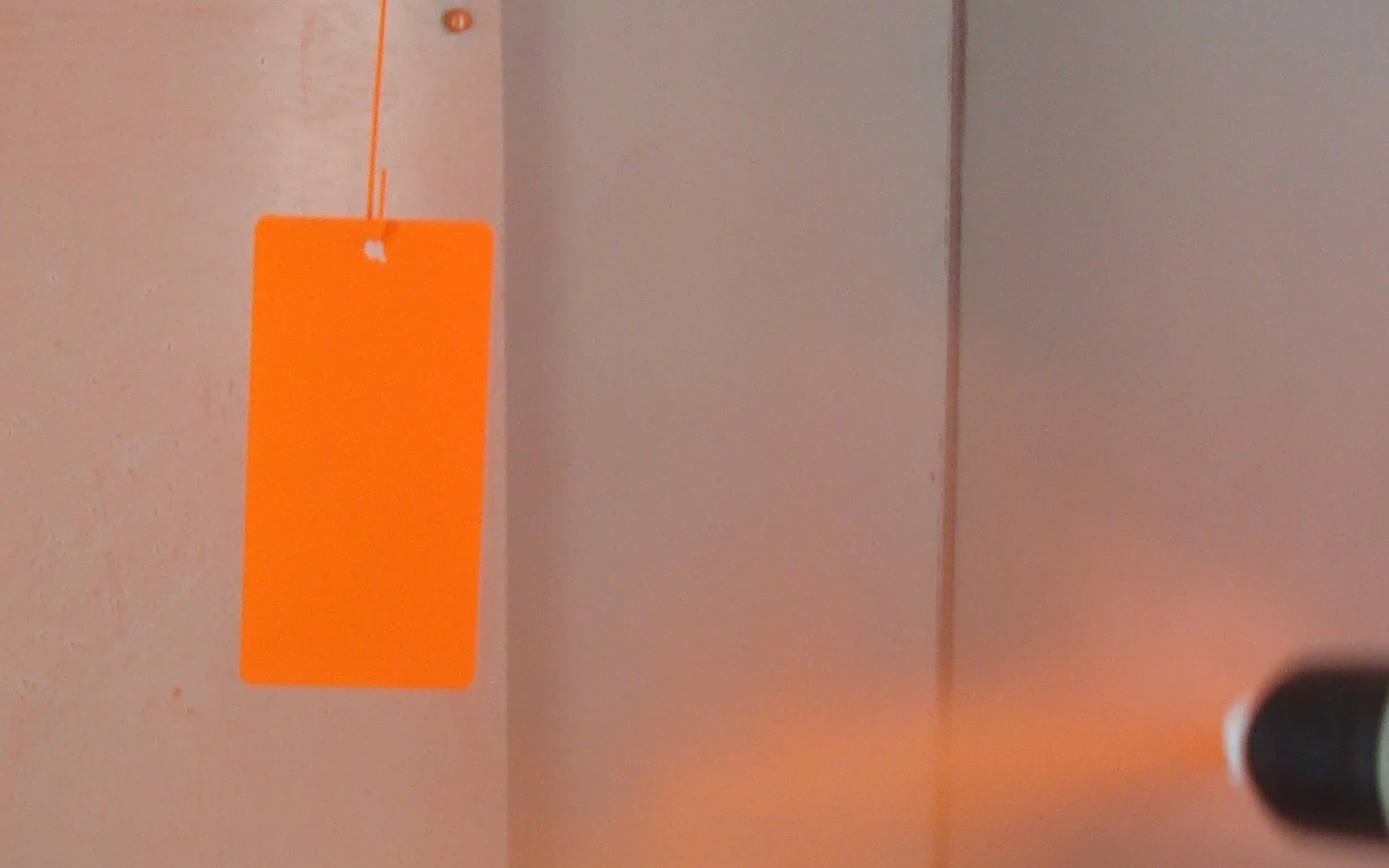
Anodizing vs. Painting vs. Powder Coating for Metal Enclosures
Anodizing, liquid paint, and powder coating solve different enclosure problems. Compare substrate limits, geometry, film build, corrosion and UV behavior, cosmetic control, masking, repair, grounding, production flow, and RFQ requirements before selecting a finish.
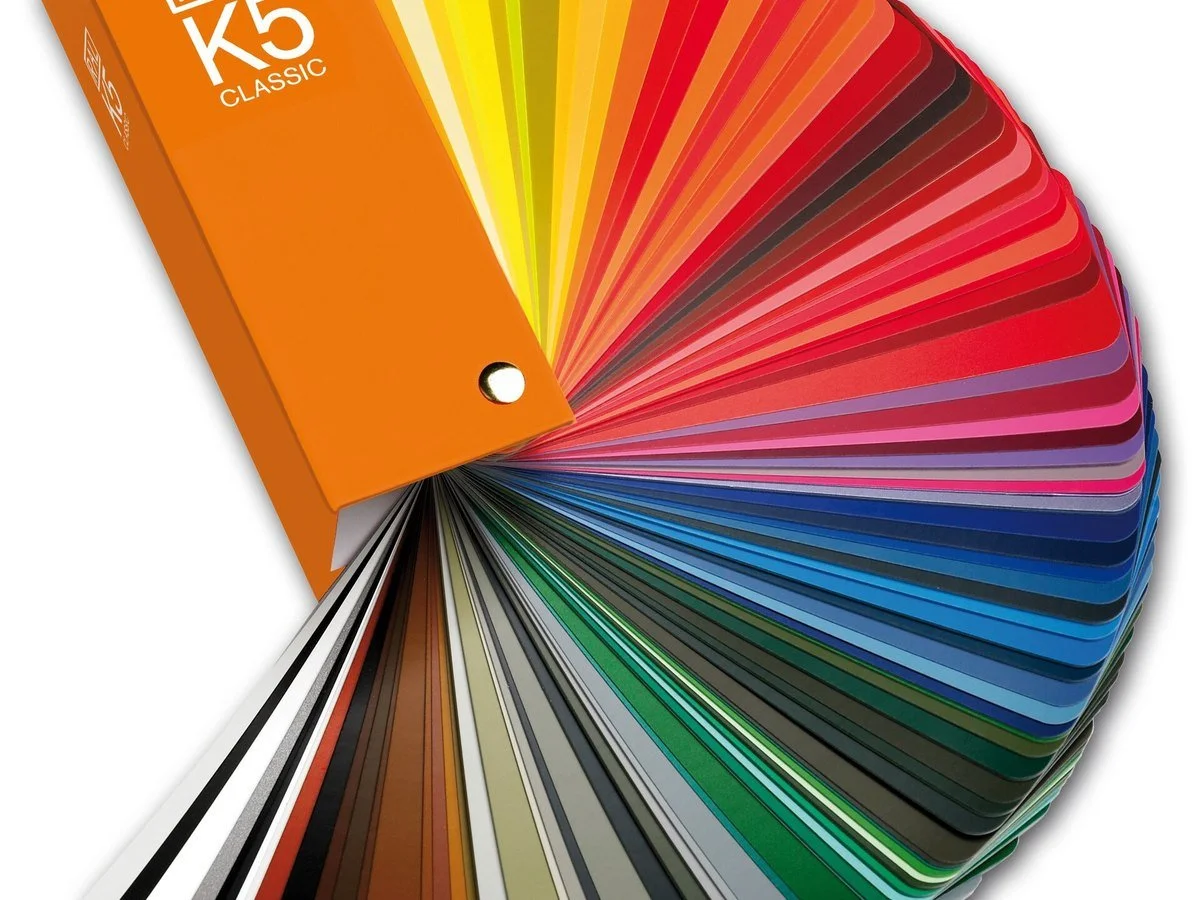
How to Specify a Cosmetic Metal Finish: Color, Gloss, Texture, and Defect Standards
A cosmetic finish specification should convert subjective appearance expectations into measurable, supplier-ready controls for color, gloss, texture, and defects.
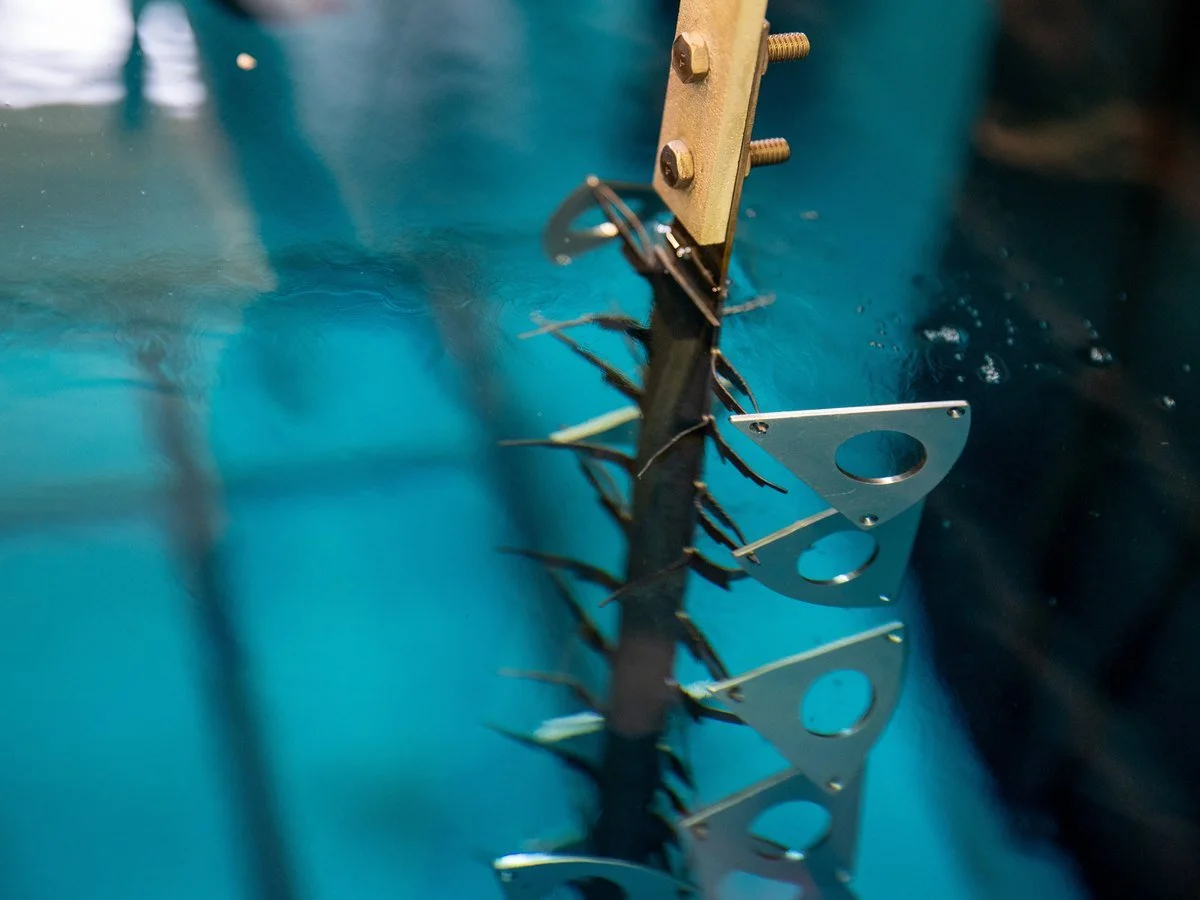
Why Can’t Every Metal Be Anodized? Why Aluminum Became the Industry Standard
Many metals can be electrochemically oxidized. Far fewer form an oxide that is adherent, controllable, colorable, sealable and commercially repeatable. This guide explains why aluminum became the anodizing standard.
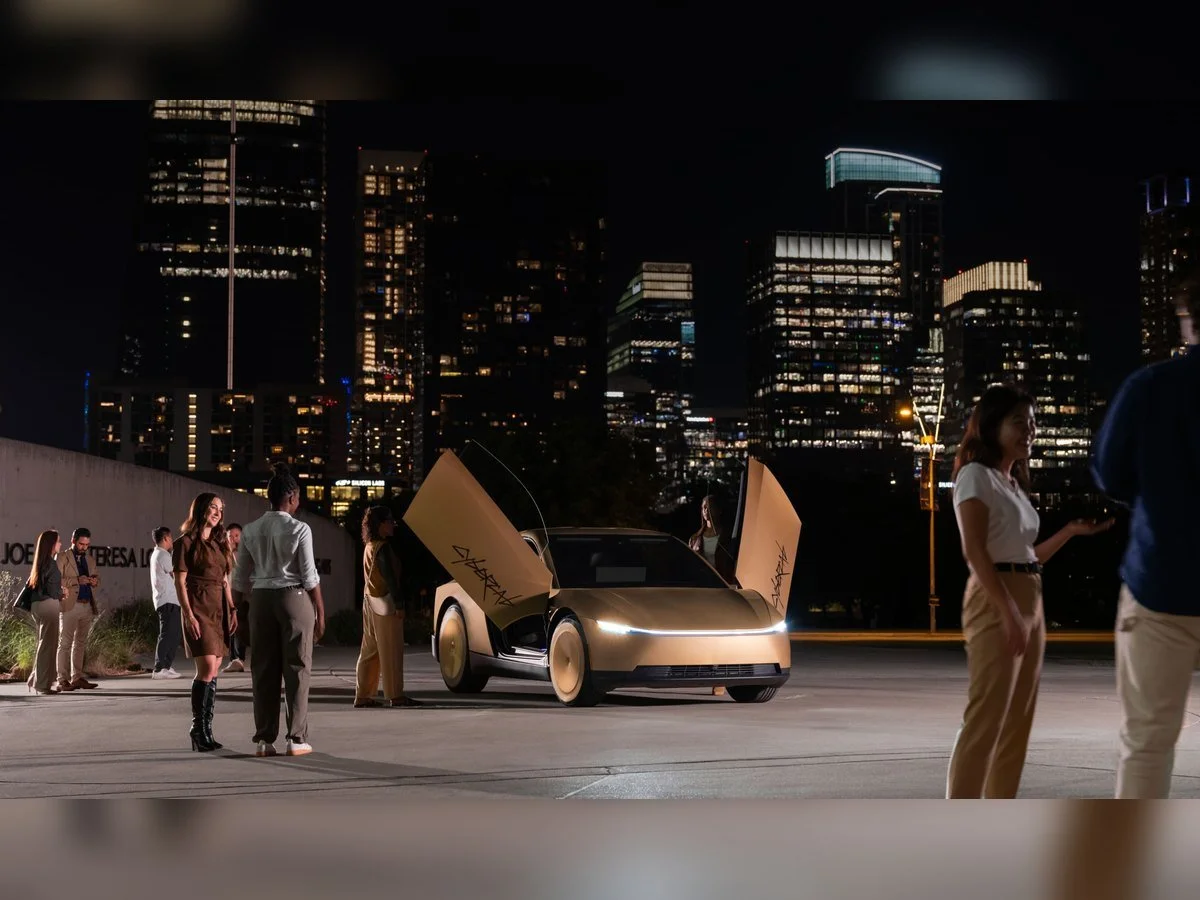
Tesla Cybercab’s Paint-Free CMF: How It Works—and What It Changes
Cybercab is not simply an unpainted gold car. Tesla is moving the visible finish into the molding process—changing the variables, tooling, inspection, repair strategy, and economics of automotive color.
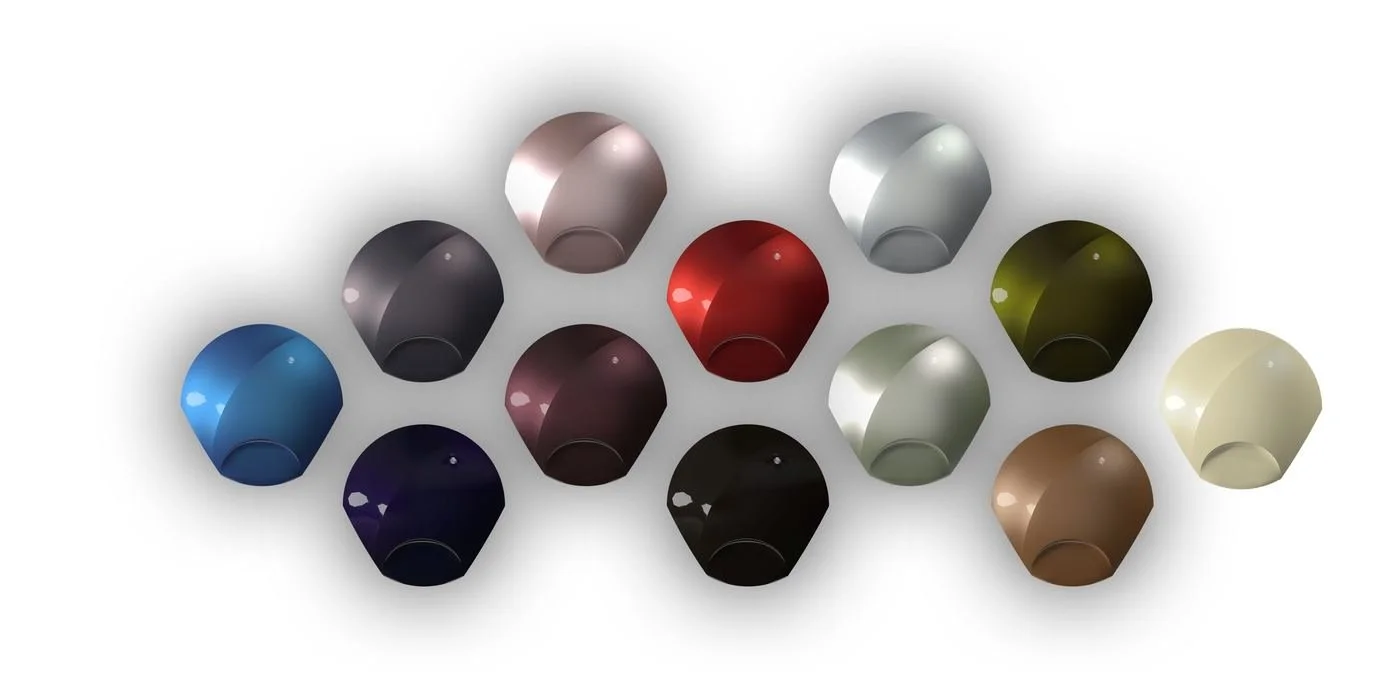
2027 Global CMF Trends: Seven Directions Shaping Product Design
The strongest 2027 CMF signals point toward grounded palettes, tactile materials, controlled reflectivity, light-integrated surfaces, cultural specificity, and visible circularity.
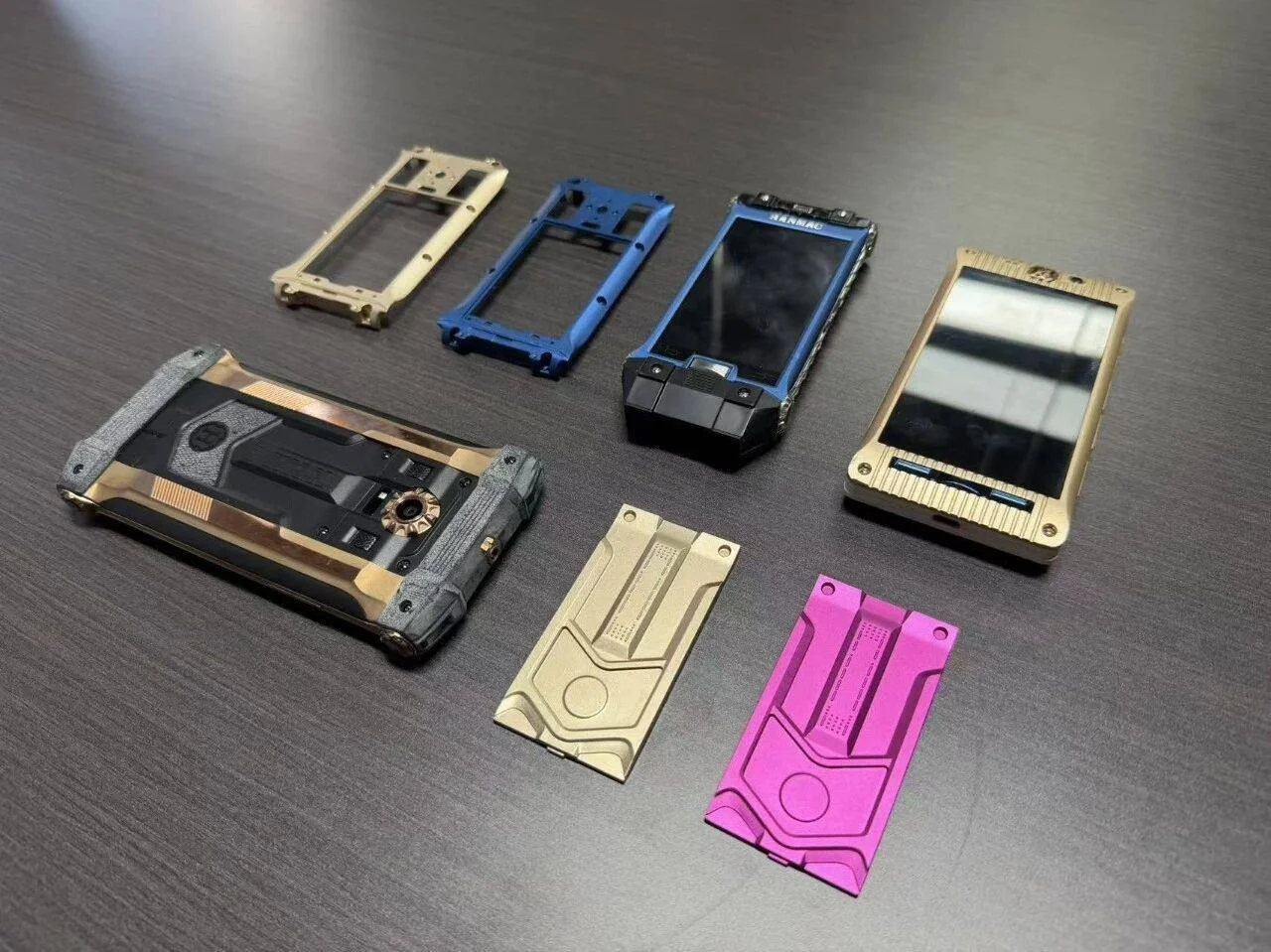
Can Die-Cast Aluminum Be Anodized? Alloy, Appearance, and Process Risk
Die-cast aluminum can be anodized, but decorative results depend on more than the anodizing bath. Learn how silicon, porosity, alloy selection, machining, and process control affect appearance and performance.
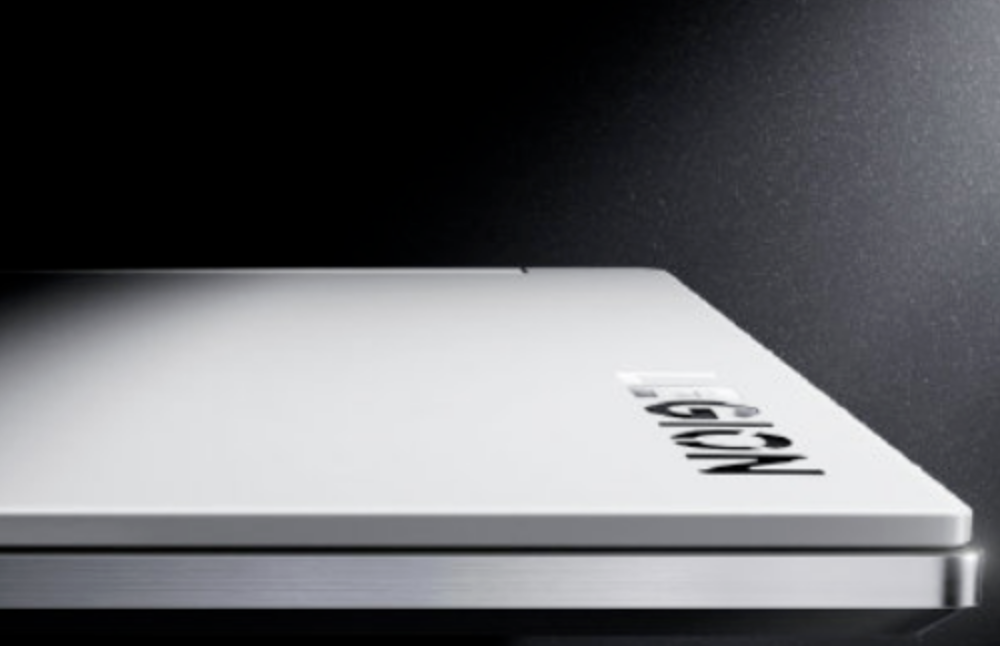
Electrophoretic Coating for Laptop Enclosures: Coverage, Durability, and CMF
Electrophoretic coating can provide uniform film coverage across metal laptop housings, including edges and recessed geometry. This guide explains the process, benefits, limitations, and validation questions product teams should address.